the index of authority, not only of the creator in question but also of the established order of operations.
What I consider a truly valid record
History—the past is the future: the equipment used
How I managed to push the CPU to 9333 MHz (9.3 GHz)
My story, my particularities with the 3 and the "record"




The story behind the record, technical realities, and my specific circumstances
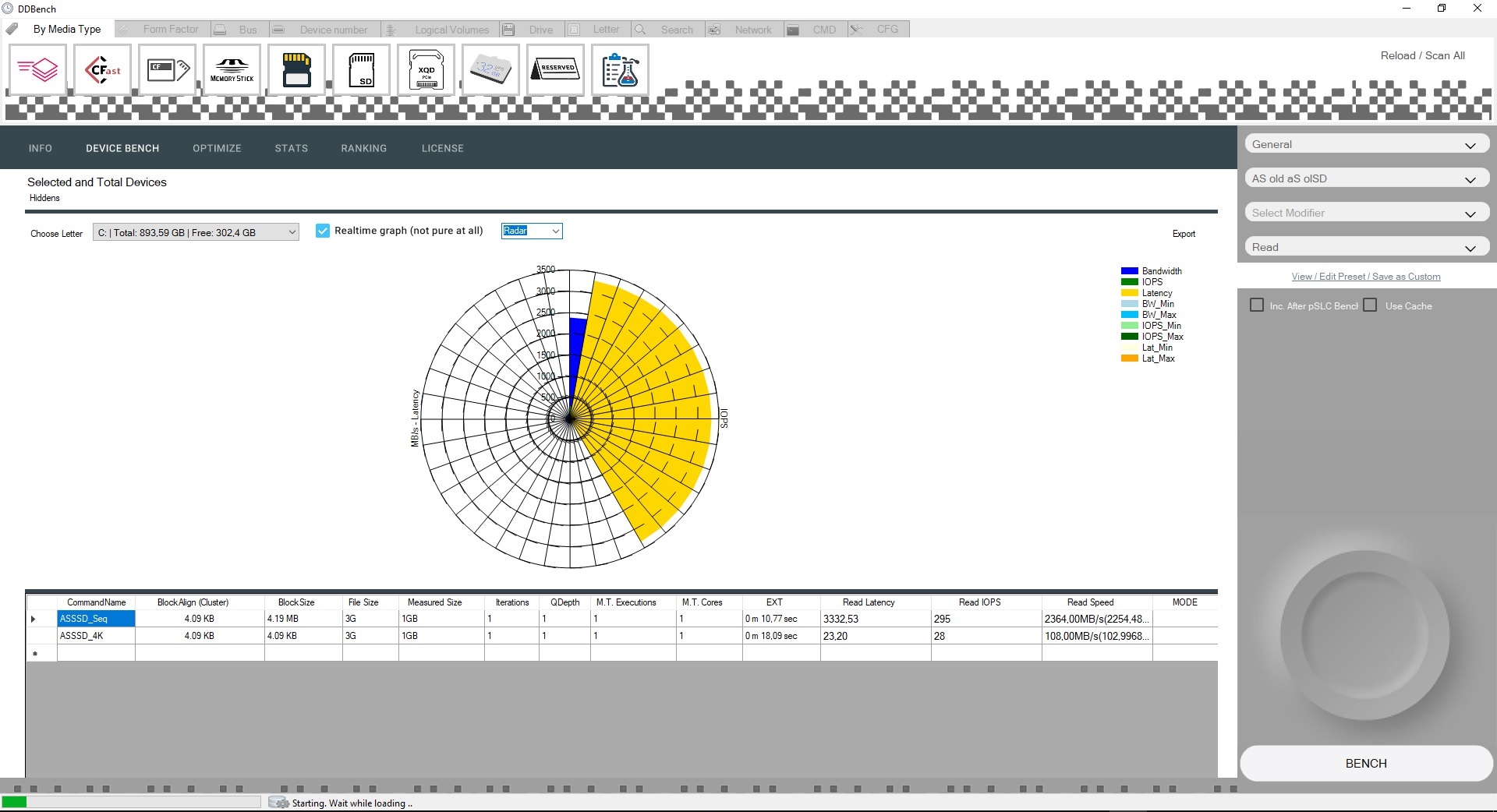


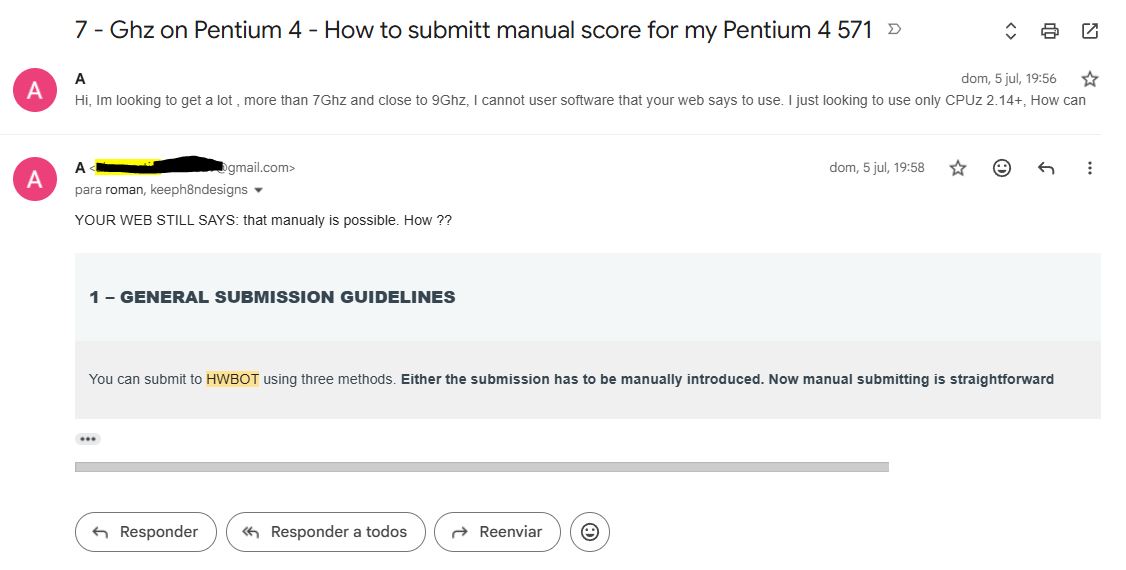
 Screenshot taken on August 31, 2026, at 00:50 (Peninsular time); source: hwbot.org.
Record testing, validation, and verification
Why all computing is based on the Architect's number
I am not a Freemason, but I believe in the number 3. Good things come in threes. Born in Barcelona—area code 93. My WhatsApp number (inherited from the Taxi Mercedes dispatch service I used to manage) is 933333333. The accident that left me clinically dead for just over a week happened on December 12, 1993—I don't know... there are so many coincidences: the 33 victories Fernando Alonso is chasing, the 3 songs I composed for him (the last one is titled Circuitos de Ajedrez / Chess Circuits).
.
I increasingly believe in matters "from the beyond"—aspects inaccessible to ordinary mortals. I am mortal like everyone else, but I have certain connections—call it lived experience, or perhaps the work of consciousness. Yet there are moments when that isn't the case; moments when I connect with the Lord of All. I recall one time, a few weeks ago, when I asked Him: "How can I know it's You and not my own consciousness? You have to understand," I said. He replied, "Do you see my tone and way of speaking as the same as the voice that is with you?" And everything clicked. At that moment, He told me—He indicated: "Carry on." And that is what I do day after day, following the path I believe is right. I might be wrong, but I am doing so with what I consider to be a record. Some—quite a few, actually—argue that it isn't valid unless verified by HWBot (which is essentially the same group behind CPU-Z). However, as I’ve explained before, it cannot be validated by either HWBot or CPU-Z; yet, based on the evidence provided, I can state that it *is* valid—I have achieved it. I am simply documenting this here on this web portal, which will host a suite of analysis and testing tools for storage drives. This is part of an architecture I am developing for three areas: the aforementioned storage, central processing units (CPUs), and a third component focused on imaging—covering not just GPUs, but also analysis, video certification, dynamic range, and so on.
Why the classics are the most valuable
This demonstrates that what is labeled "complex" or "obsolete"—depending on who is doing the labeling—often masks commercial interests; meanwhile, elements from the past are far simpler, more transparent, and superior to what is sold to us today.
For instance, the power supply used is a "Made in USA" PC Power and Cooling unit—none of that "Made in China" stuff. It is the first version of the 750W Silencer, which delivered all its power via a single 12V rail. I won't go into technical details, but nothing available today matches it.
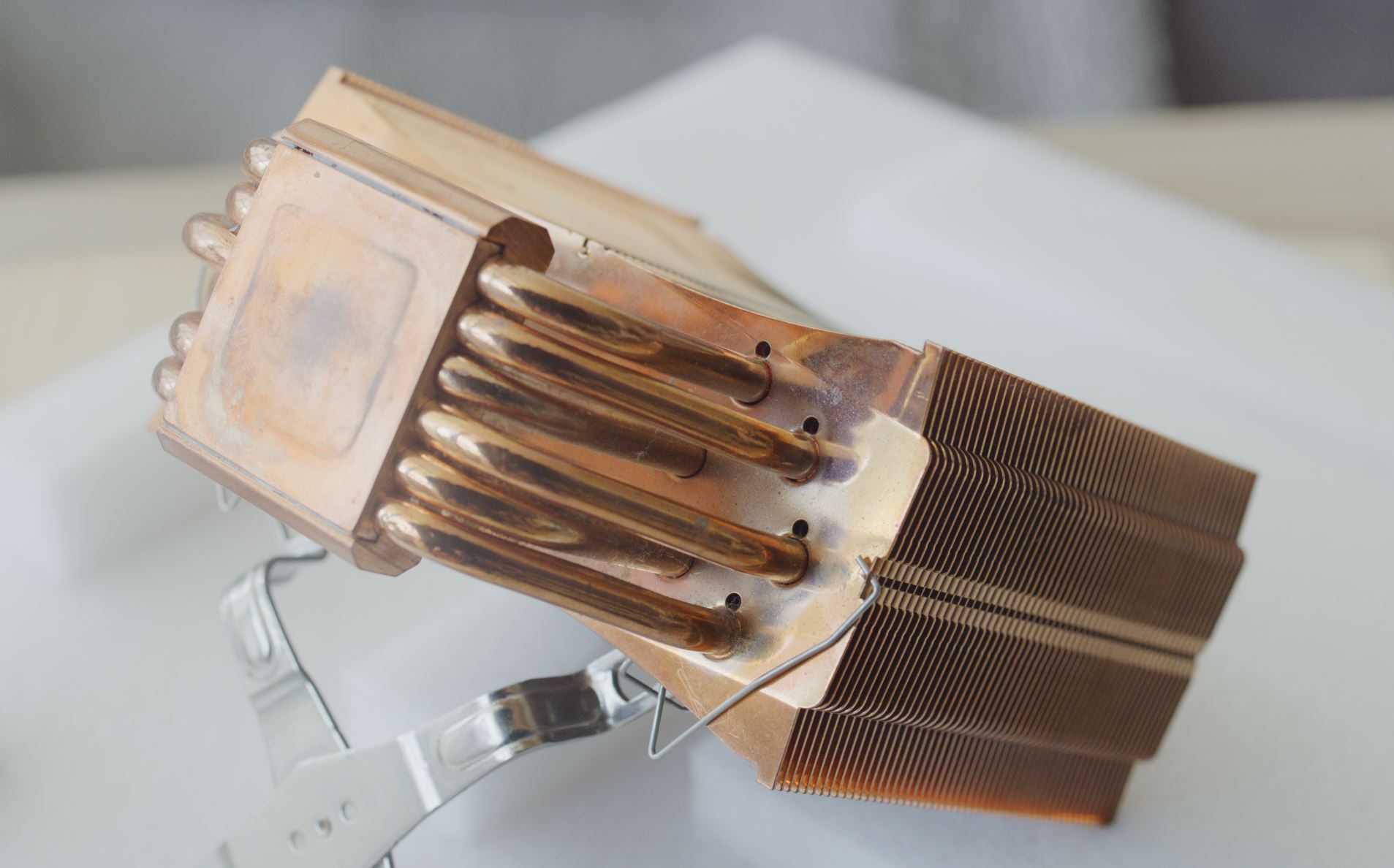
The heatsink is a limited edition of just 1,000 units manufactured by Thermalright (the American company, not the Asian Thermaltake). Back then, copper was—let's say—affordable enough to use for manufacturing, albeit in limited runs. The heatsink I used weighs 2 kg and is made of pure copper; it’s not the "stylish copper" finish some brands sell; You always have to check the manufacturer's website or documentation. Many YouTubers say "copper," but fail to realize that the parts are—let's say—plated or painted to look like copper. The heatsink I use is the "1000" model; it differs from the next one up (the "3000") by having six tracks—or fins, if you will—with three on each side to progressively conduct heat away (whereas the "3000" unit had four fins).
Of course, the CPU has to be the 631, specifically the latest variant—the D0—which had a thermal design power (at medium load) of 65W (TDP = 65), matching the 65-nanometer manufacturing process. They were going to be called Pentium V; in fact, motherboard manufacturers used to label boards that supported these 65nm Pentiums (as opposed to the 90nm and 130nm versions) as "P5"—take the Asus P5E, for example...
You know Intel loves the number 3, and that the base bus speed for every CPU is actually 99.9999 MHz—which they simply call 100 MHz. You know that the "Quad-pumped" bus still used today—the one they claimed ran at 800 MHz (FSB)—is actually just 100 MHz? How? You might say I'm lying, but no—let me explain: each of the four memory slots on Pentium IV or V chips (non-server types) receives data requests from the CPU at 100 MHz and outputs data at that same 100 MHz. However, they took the 100 MHz input and the 100 MHz output and marketed it as 200 MHz; multiply that by four, and you get 800 MHz. But really, it’s all based on a repeating decimal (like 33.33...), just like the 33 MHz PCI bus...
As a side note, the unique serial number of the CPU I used to achieve that magic figure is 5646B84, and if you add up all the digits, you get 33.
It’s like other things—take a standard gasoline car, for instance: no turbo, no hybrid system, nothing extra. It’s purer and less prone to failure than the same model equipped with all the bells and whistles they add these days—supposedly (a cheap excuse) to cut down on pollution. Then the WHO—an organization bought and corrupted by governments and multinationals—comes along and tells you to get vaccinated with products made by some affiliated third-party company, while the media warns: "Watch out, you could kick the bucket." Sure, we all could—and eventually we all will—but they bombard you with news about everyone dying, so you go and get the shot, bleating "Baaaa" just like a sheep. Sorry, that’s just how I see things—everyone has their own opinion—but as long as you aren't disrespectful or forcing someone to act against their conscience, everyone is free to speak their mind.
It’s the same story with headphones, for example: nothing beats plugging in a cable, yet for years now they’ve been pushing Bluetooth ones on us—which come with all sorts of pairing issues and the like. It’s just like phones: sure, there’s Android and iPhone, but you’re practically forced by Google and Apple to unlock them with a password, then tap here, punch in numbers, make sure your fingers aren't wet, and so on... well, you get the idea. Compare that to the sheer practicality of pulling out one of those old-school Nokia or Alcatel phones with physical buttons and just making a call—simple as that. Simplicity is far better and more practical than complexity.
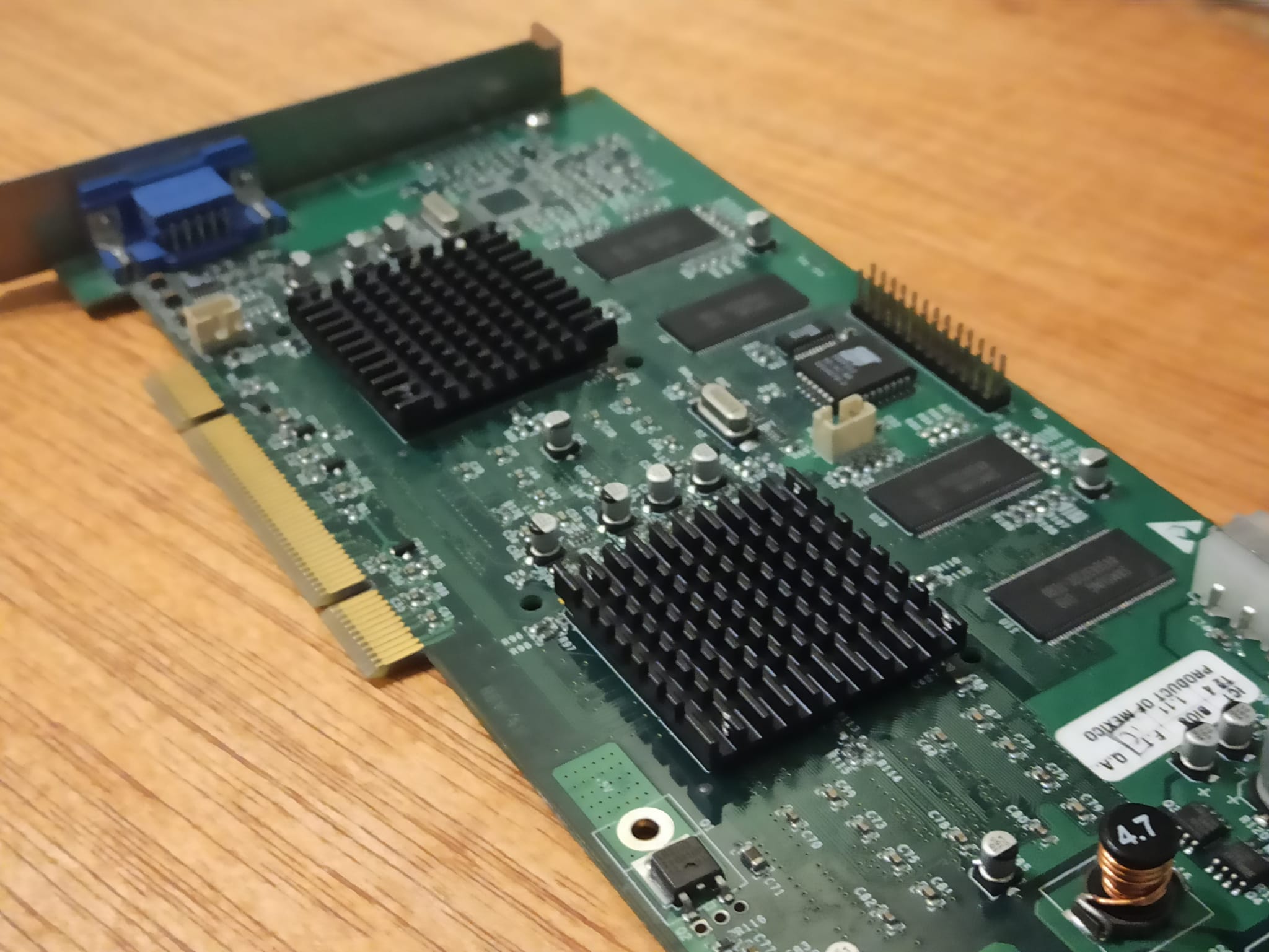
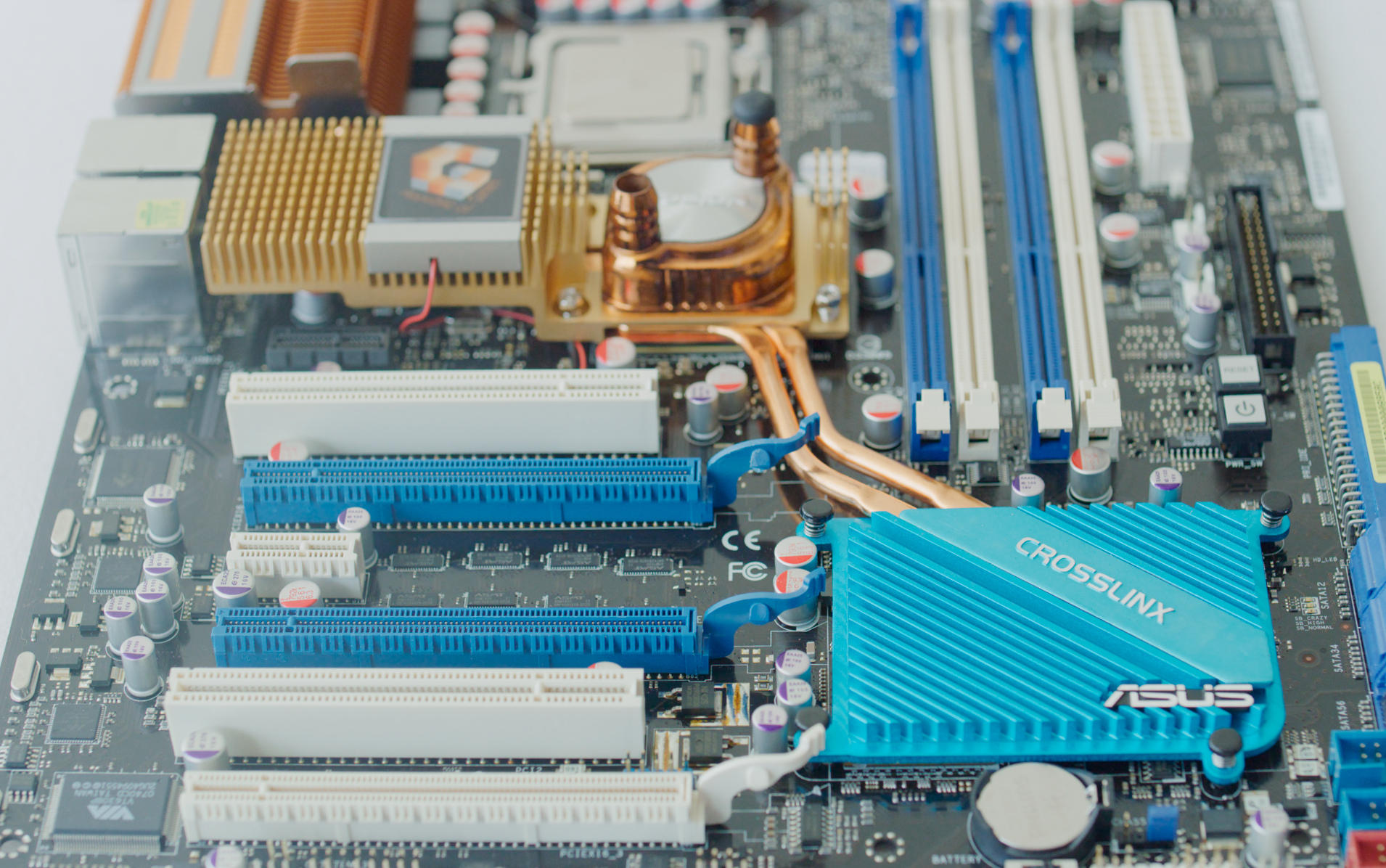
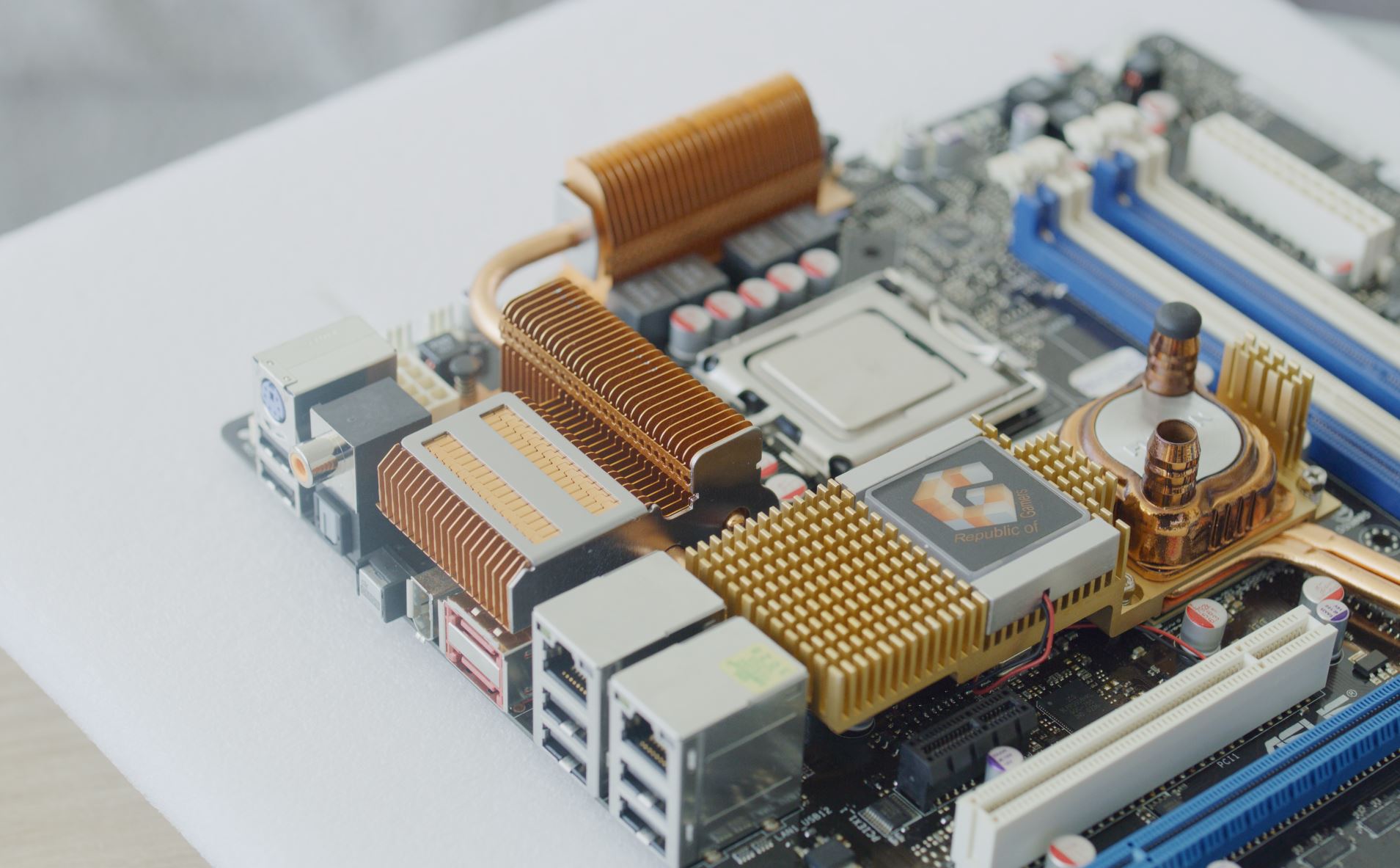
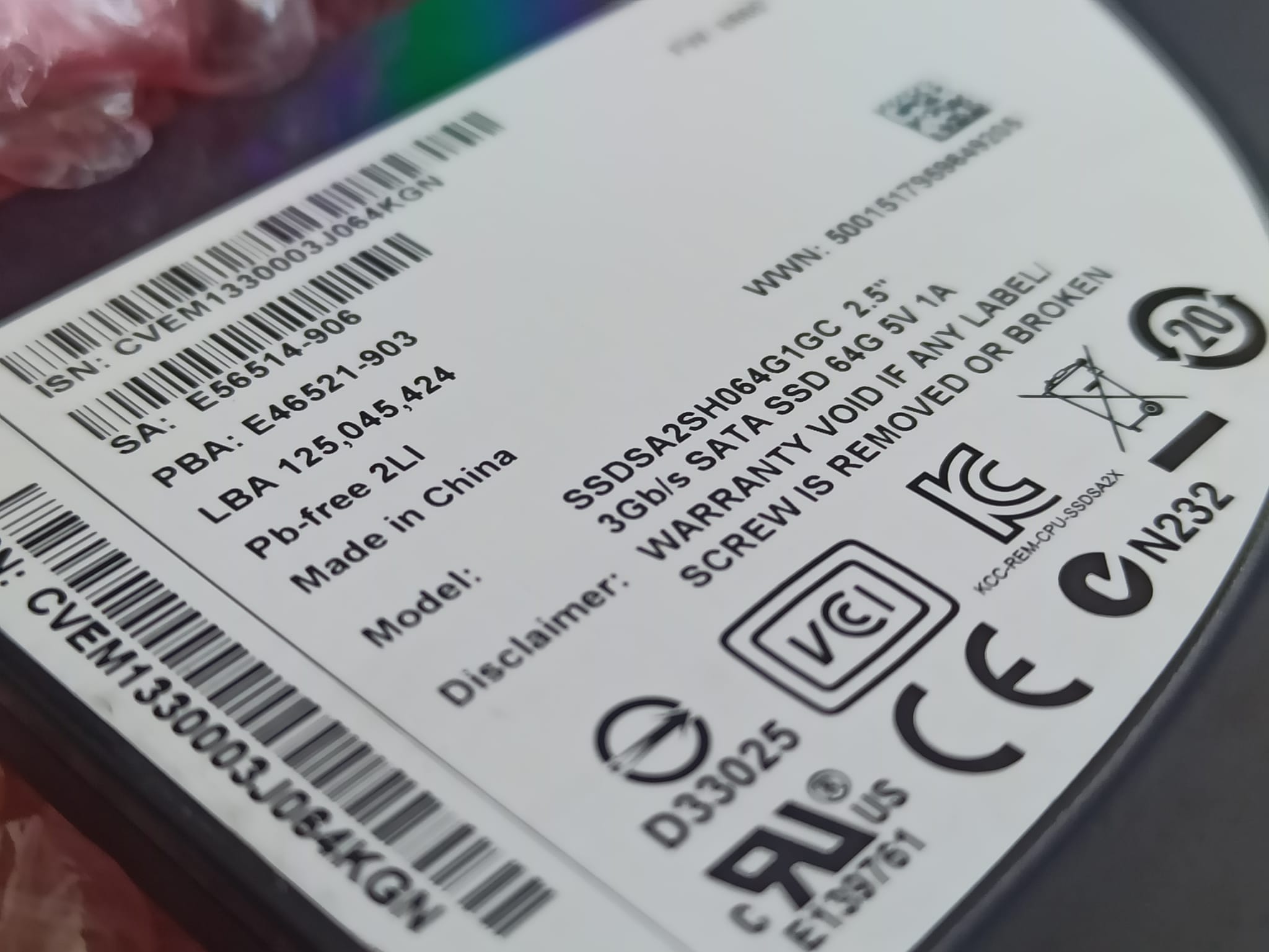
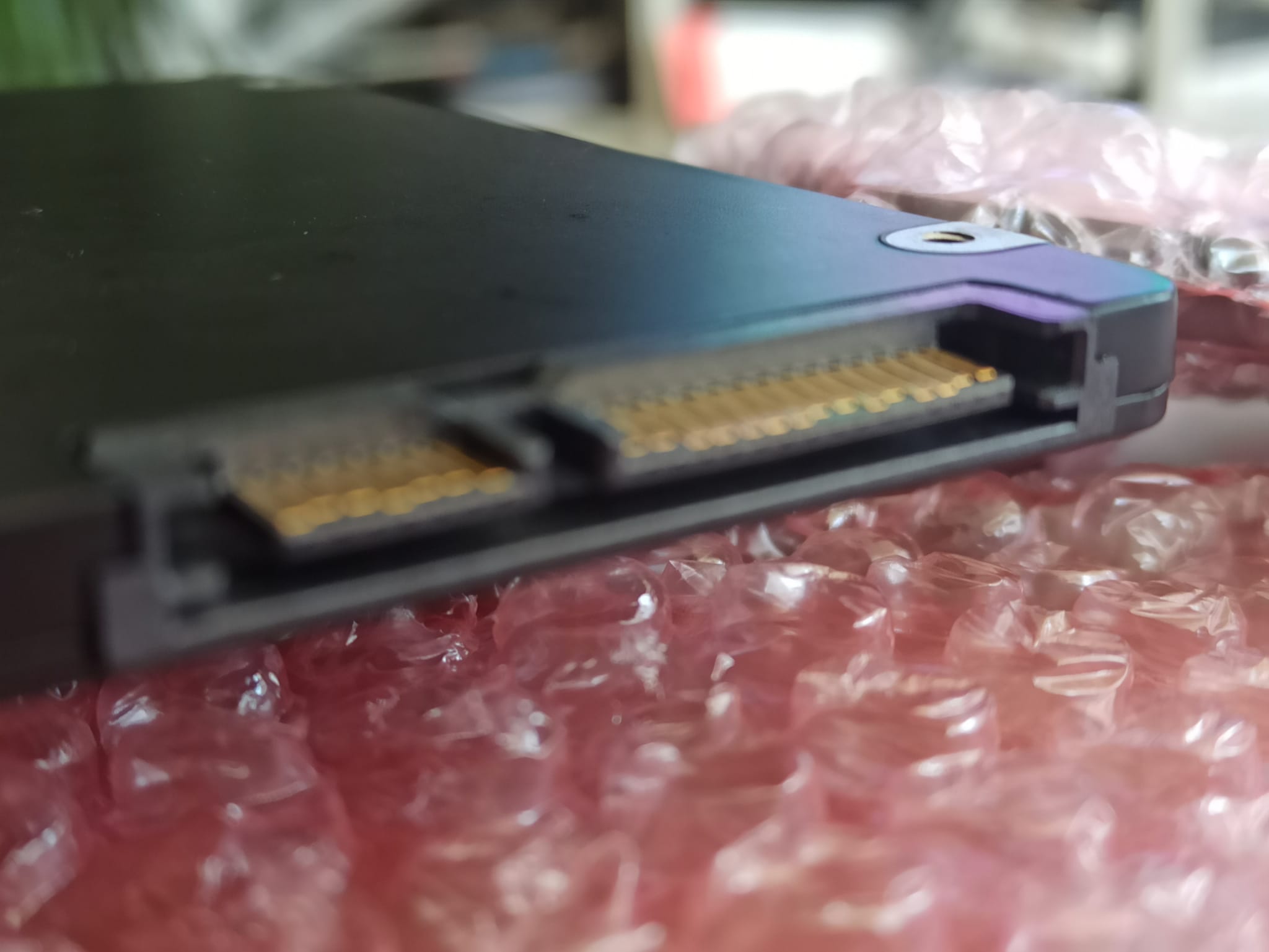
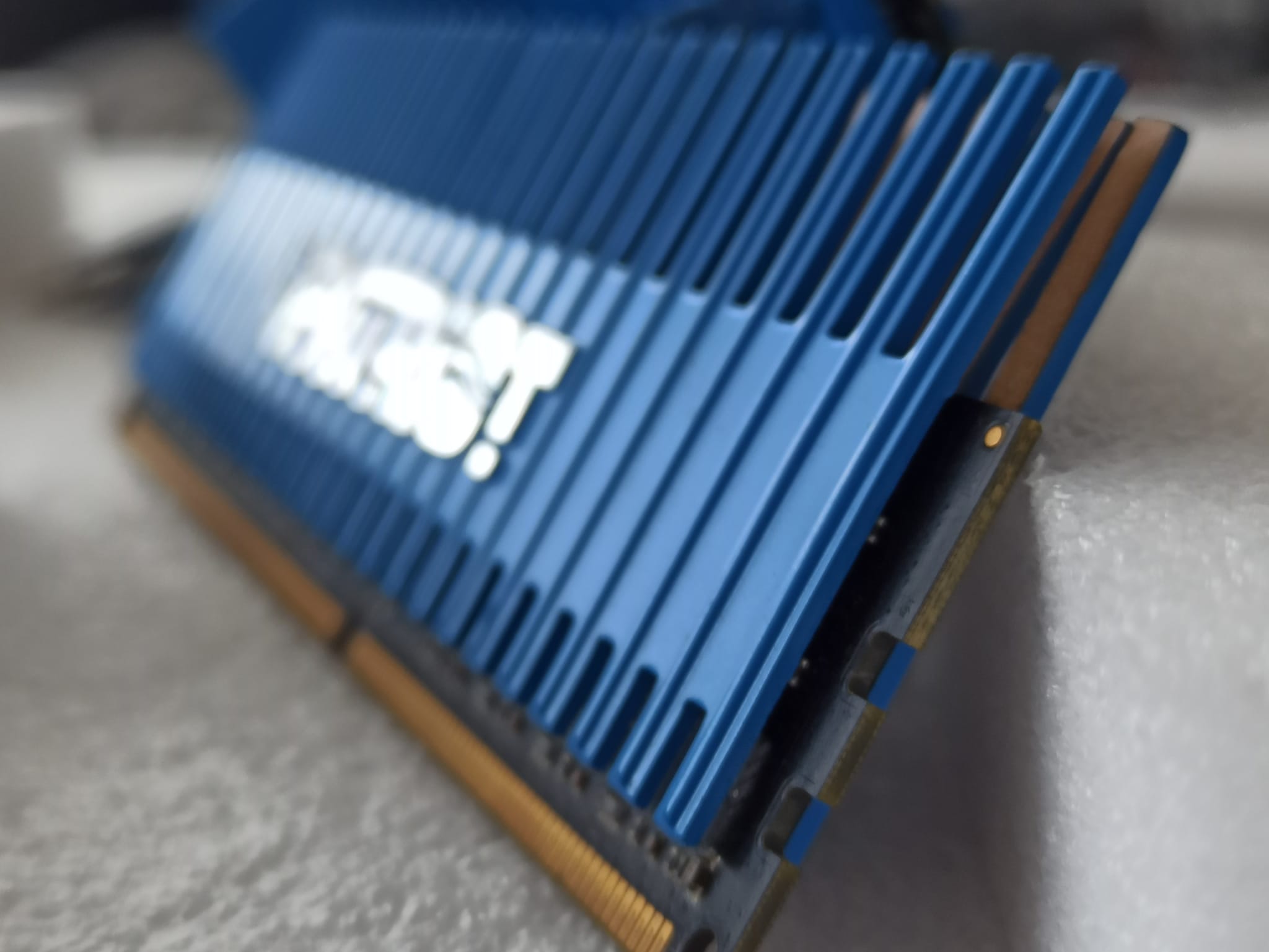
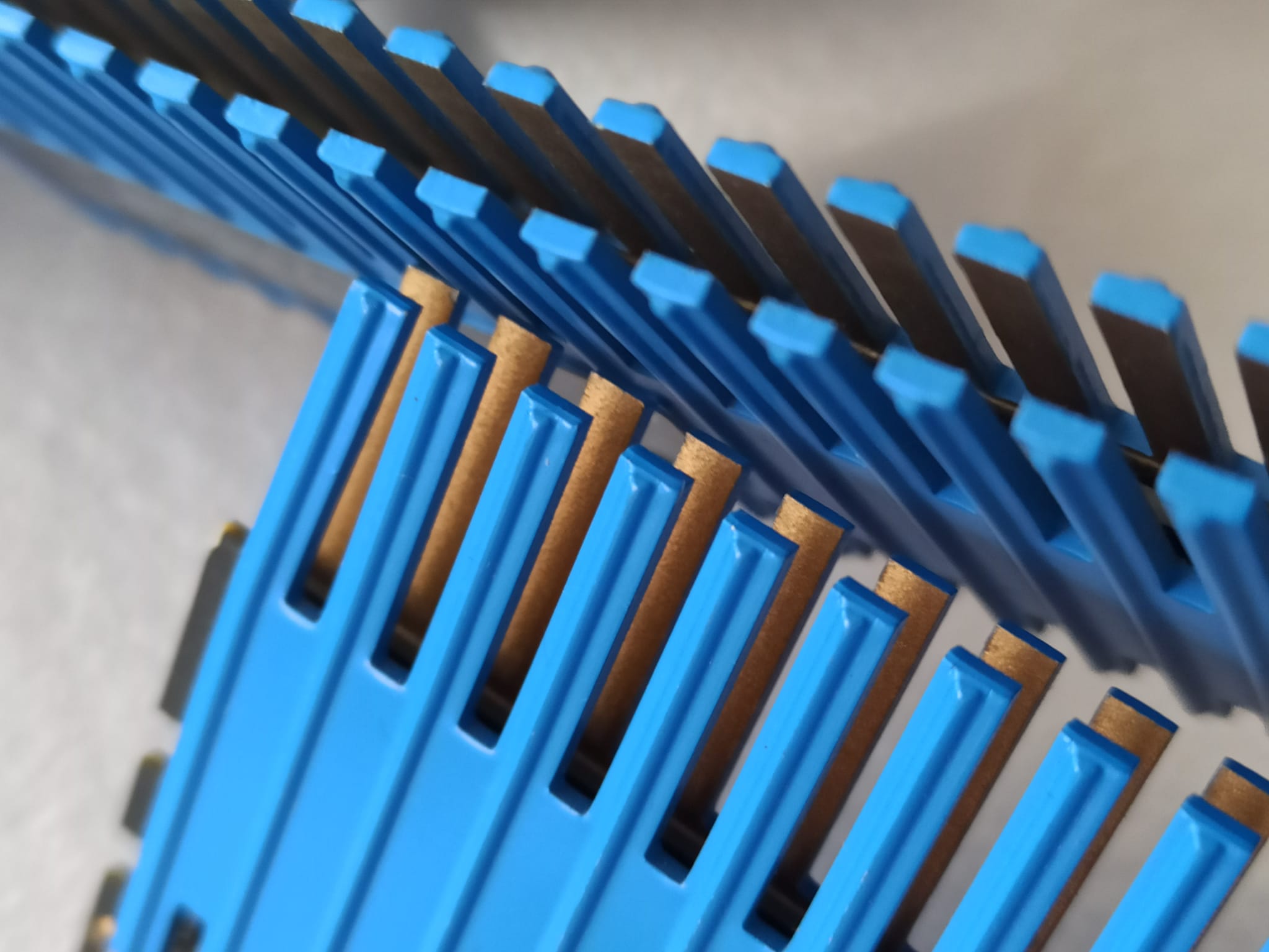
I’m including a gallery of images showing the components I used and highlighting specific details—like the Patriot memory modules with copper filaments in their heat spreaders. Nowadays, manufacturers use aluminum because it’s cheaper, but copper offers two to four times better thermal conductivity than aluminum. Still, that’s just the reality of the market these days:
Used equipment
Detailed detail of the test bench, in English the "setup".
- CPU: Intel Pentium 4 631, Stepping D0, 65nm, TDP 65W, serial number 5646B84.
- Sink: Thermalright (1 of 1000), 2 Kg pure copper heatsink with 6 heatpipes.
- Motherboard: Asus Maximus Extreme, 1st series.
- Power Supply: PC Cooler Silencer 750W (1 12V lane).
- RAM Memory: DDR3 (from G.Skill to Patriot USA MADE LLK).
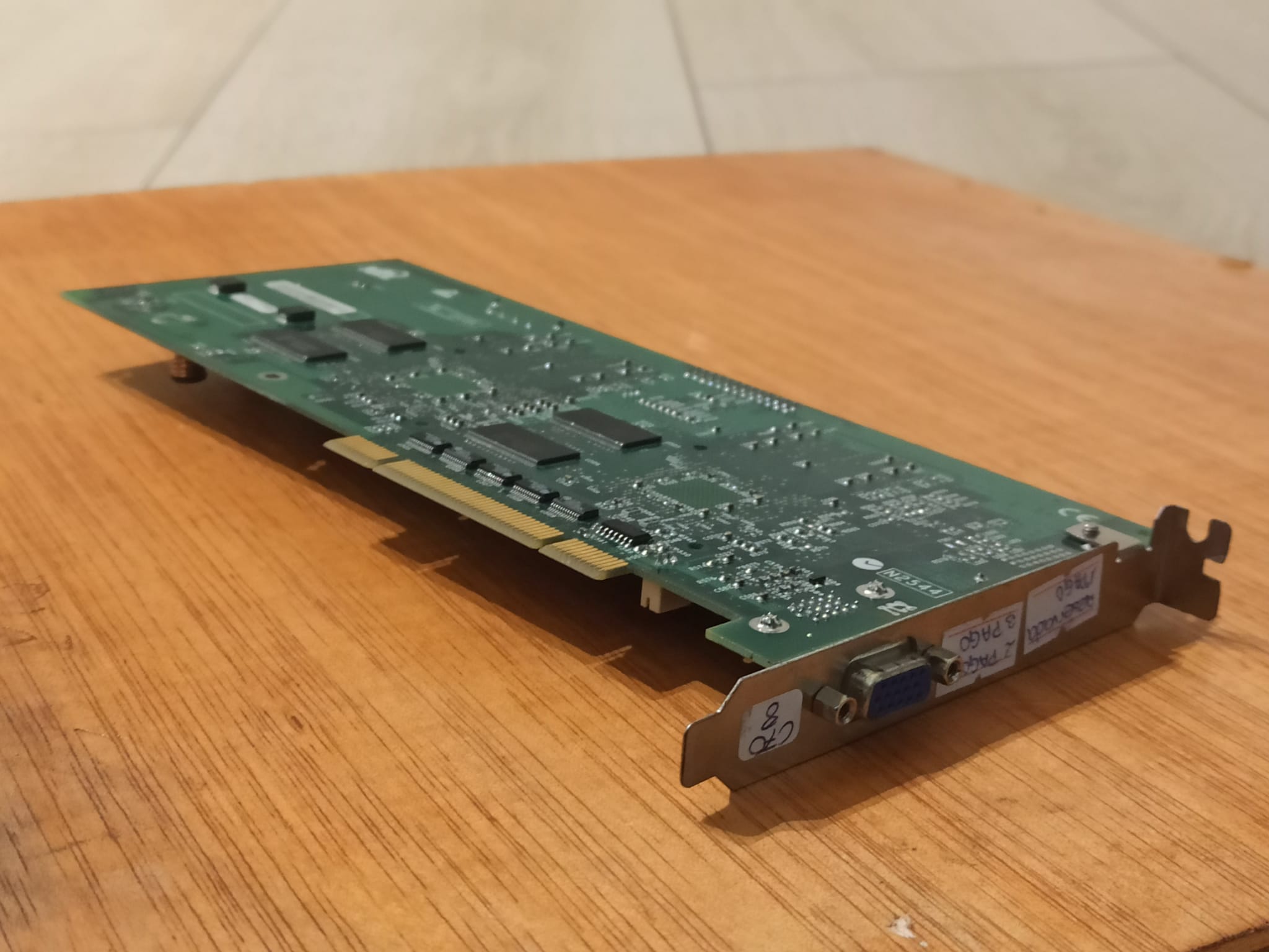
- GPU: 3DFX Voodoo 5500 PCI, which were later succumbed by those in Marketing, and after its purchase by the now tinged with false AI, NVIDIA.
- Storage: Intel X25-E 32GB SLC SSD; I actually have another one—an E1 engineering sample with the wrong label.
- Operating System and Software: Windows 99 with CPU-Z 1.03 (Vintage).
-
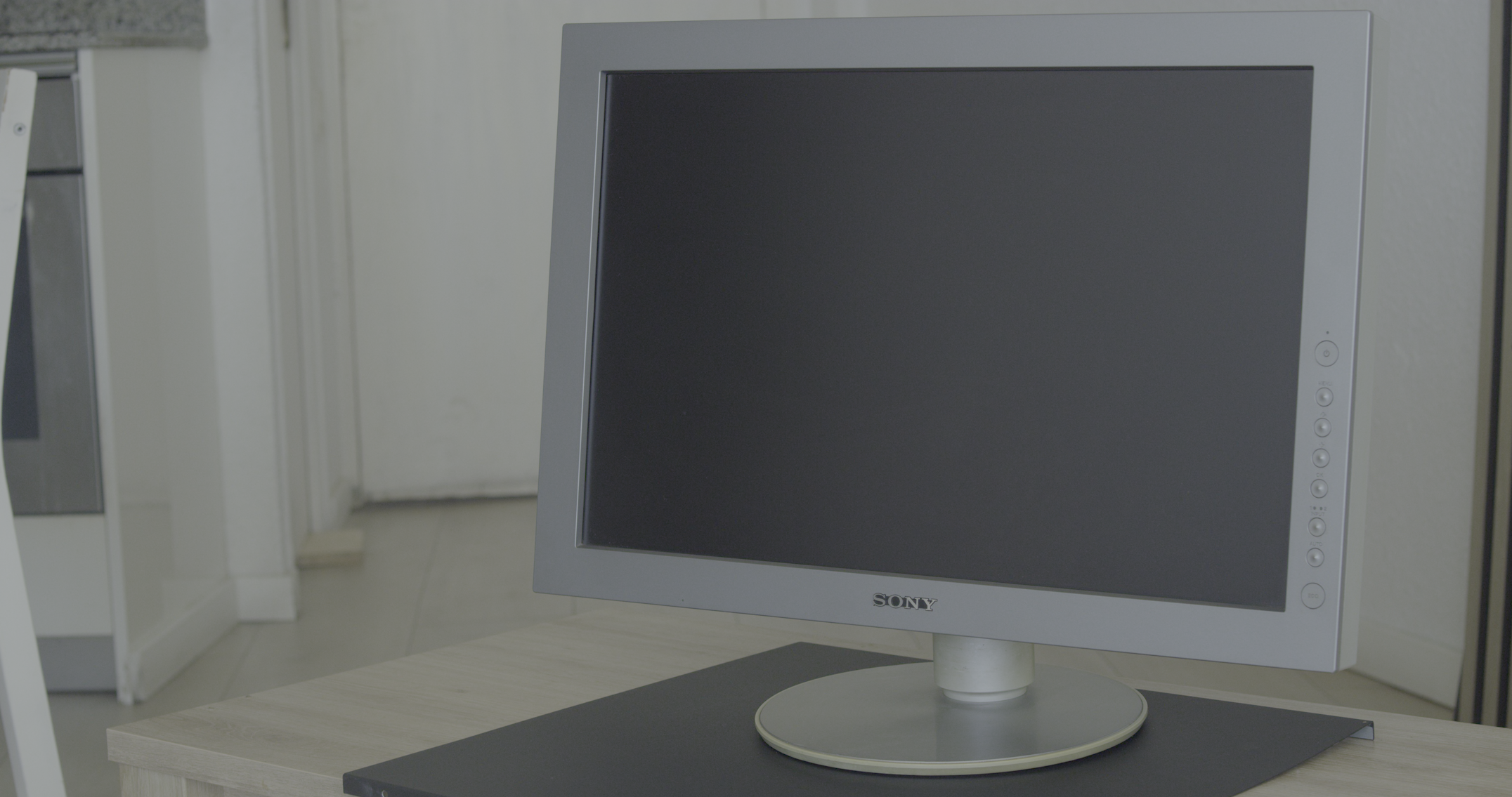
OTHER: Sony SDM-P232W monitor. Manufactured in late 2002, released to the public in 2003. The "23" denotes the size in inches, the "P" indicates it is the successor to the famous PVM series, and the final "2" indicates the year. It has a maximum resolution of 1920x1200, transmitted via analog connection from the XGA D-Sub 15 output of the 3dfx Voodoo5 5500 PCI card (since the AGP version caused many issues).
Some details:
The motherboard must feature a PCI bus—specifically version 2.2. I am not referring to PCIe here; the PCI-Express bus frequency cannot be pushed beyond a 5% increase (from 100 to 105 MHz) because it is essentially a derivative of PCI—though these are technical details that might be too complex even for somewhat advanced users.
Version 2.3 boards only supplied 3.3V, whereas version 2.2 boards retained the classic "legacy" mode supporting up to 5V. This is crucial when overclocking a CPU—specifically Pentium 4 chips linked to Northbridge and Southbridge controllers—because you absolutely must avoid altering the voltage. Raising the voltage creates a steep spike; it is like delivering a massive punch to someone—an action that requires liquid nitrogen to handle. Conversely, if you leave the voltage alone, it is like having many tiny helpers share the same cake—or many people striking with less force but the same total impact. This results in gradual heat generation (conductivity), eliminating the need for LN2.
Sorry for the long-winded explanation; the PCI-based 3dfx card handles frequency increases without issue, provided you have that 5V supply via a motherboard using the ICH9R (not ICH10R) Southbridge and/or the X38 (not X48) chipset.
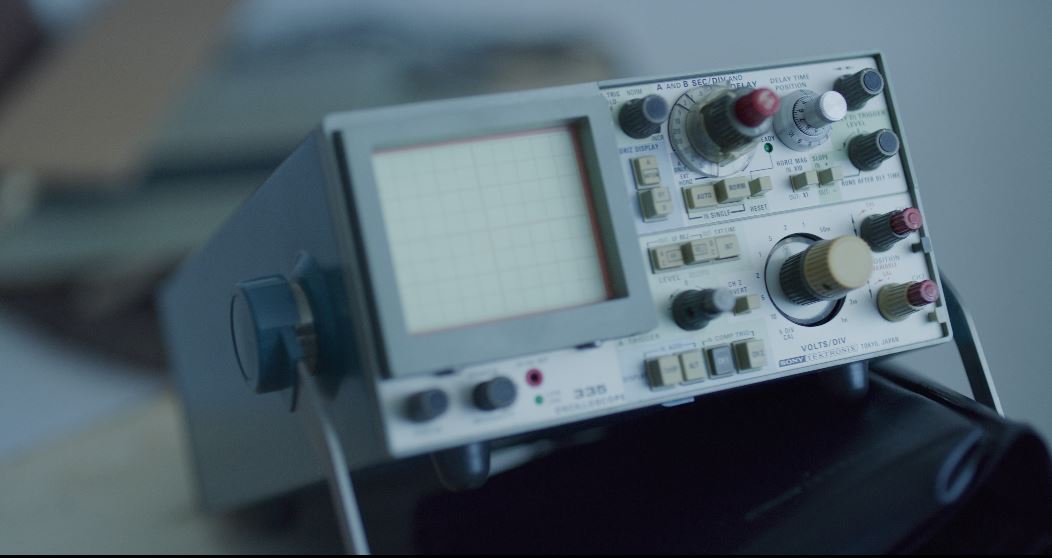
I will provide further details in another section below. For me, using the graphics card with that specific monitor is pure gold. It is like the Sony Tektronix 335 analyzer I used, which gave me a bird's-eye view of the voltage; it may not be precision-accurate, but it provides an insight that the motherboard itself cannot offer. Why? ...because the motherboard provides sensor data once you're in the BIOS, but the issue is the boot-up process—determining whether it actually boots or not—and that requires a pre-BIOS tool. With the oscilloscope, you measure voltage (in the case of the 335 model), and for frequency, you hook up a BNC cable (the kind used for TVs, yes) to measure the waves/frequencies. It’s a bit complex to explain, but... anyway... here are the images.
All the photos and the text are my own work—no "YAYA" (Catalan for "grandma") involved. Below is a video montage I put together; it's part of a project that might become a short film or a feature—we'll see...
The months of prior testing with other components
It took about three months. That doesn't mean I learned everything in three months; experience counts for a lot.
The patient work of trial and error—discarding dead ends and understanding how the silicon responds before reaching the final result—involves steps such as (to cite a few examples):
* Experimenting with modifying socket pins; experts know that some socket pins are redundant—included in case a specific pin fails to carry enough voltage—so you can "trick" the motherboard into drawing more voltage through the other pins. These are just practices that, in my case, resulted in rendering one of the two Asus Maximus Extreme boards I own useless (incidentally, the first ROG series—the ones measuring 30 cm on one side instead of 27).
* Testing by slightly "burning in" certain areas of the CPU. Yes, you heard that right; look it up online for more info. It’s an old-school technique that essentially tricks the CPU into thinking it's running hotter than it is. But practically speaking, the specific BIOS adjustments required are as follows:
BIOS
Set everything to disabled: all peripherals = OFF (disabled), hard drive error correction = OFF, everything in legacy mode, IDE, USB = off, etc., etc. I’m not going to explain all the presets and my specific settings here either, because—as you’ll understand—that falls under what I call a "sealed secret," though I have dropped a few hints.
"The Process" in half an hour: the divine number
Perhaps it was the invocation—on one hand of the "master" and on the other of its reverse order—that marked the key moment when everything fell into place during just thirty minutes of perfect synchronization.
I’ll summarize—to keep it brief—what I emailed to the CPU-Z developer under the subject line "PROCEDURE" (a message to which I have yet to receive a reply).
A copper pot from the 50s (belonging to my great-great-great-grandfather) full of ice, fresh out of the refrigerator
Set it up as described above, rotated 180 degrees, with only the Thermalright cooler inside the pot. Let it for a few minutes, with the computer turned off, no signal power.
Then power on, wait until windows 99 boot, it automatically load cpuz, then take screenshot (ImpPan/PetSis, print screen key) then paste on Paint and save, close paint.
All test material made available
Resources, data, and references provided so that anyone interested can study, verify, or replicate the experiment with complete transparency and simplicity.
I permit the distribution of the images and text from this blog, provided that authorship is acknowledged:
In Lloret de Mar, at 03:41 on September 1st, in the year of our Lord 2026,
Alejandro Barrada/Cabrera Martín Orellana Ibáñez, just as a person used to be identified
PS: I have some connection to the beyond—or so I think; I could be wrong—but I asked for possession, saying—not to take it seriously—that I just wanted a bit of both sides, because that is how I believe the earth is divided, like a coin; and as for who's in charge, well, sometimes one, sometimes the other, like in ...nature. It was likely the King of Kings—or the All—who tipped the scales, sometimes one way and sometimes the other. Perhaps I am mistaken.
